
Peter & Freda Kaman
Directors in Papua New Guinea
Founded the local ministry, mentored community members, and lead Bridging Gap Association and its school.
Our story
Peter and Freda Kaman built a ministry long before there was a US nonprofit. Bridging Gap exists to help that locally led work keep going.
Roots in the village
The Kaman family were among the first in their area to follow Jesus. In 1955, their tribe and clan gave land to the first missionaries to build a church.
For years, Peter and Freda mentored people in their community who were fighting drugs and alcohol. That work grew into Bridging Gap Association: a place to find recovery, discipleship, and a new way of life.
An anonymous donor provided a 12-bed facility. Curtis and Heather started the US nonprofit to close the funding gap—not to replace the people already doing the work.
Meet the people behind the mission1955
The Kaman family’s tribe and clan give land for the village’s first church.
Years of groundwork
Peter and Freda mentor people in their community who are struggling with drugs and alcohol.
The center opens
An anonymous donor provides a 12-bed facility. Bridging Gap Association partners with Adult & Teen Challenge.
Summer 2026
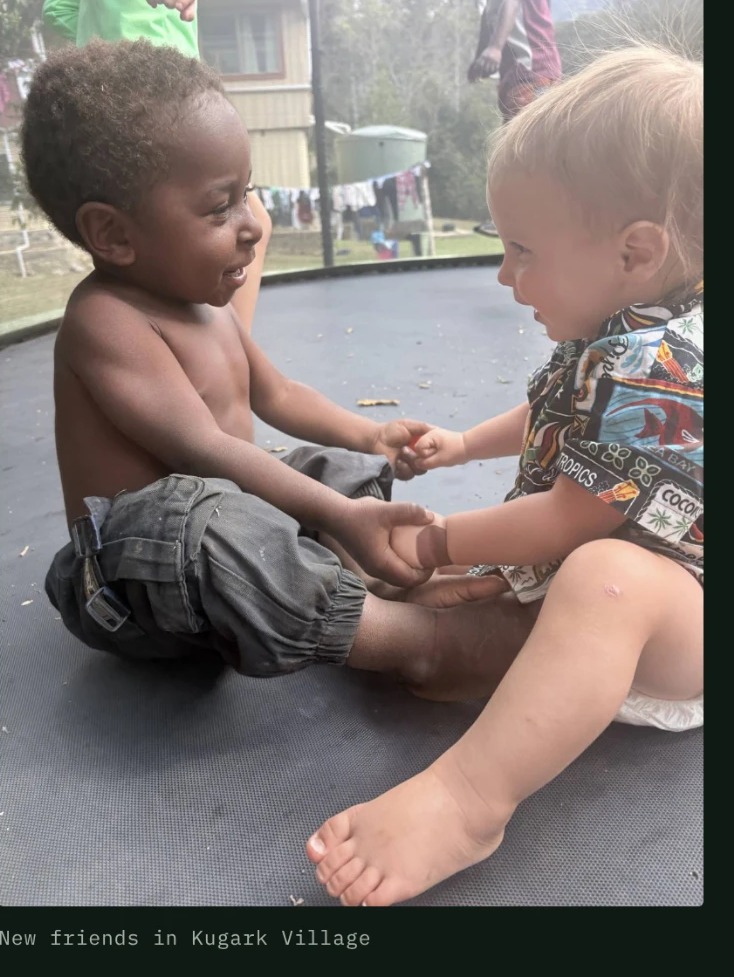
A US team serves in Kugark Village. Plans change: together with the village, they build a chicken layer house to generate income.
2026
Curtis and Heather form a Tennessee nonprofit to raise steady support for the locally led ministry.
2027
Fully fund a year of treatment for 12 residents, the school, and aftercare. Return to equip local leaders.
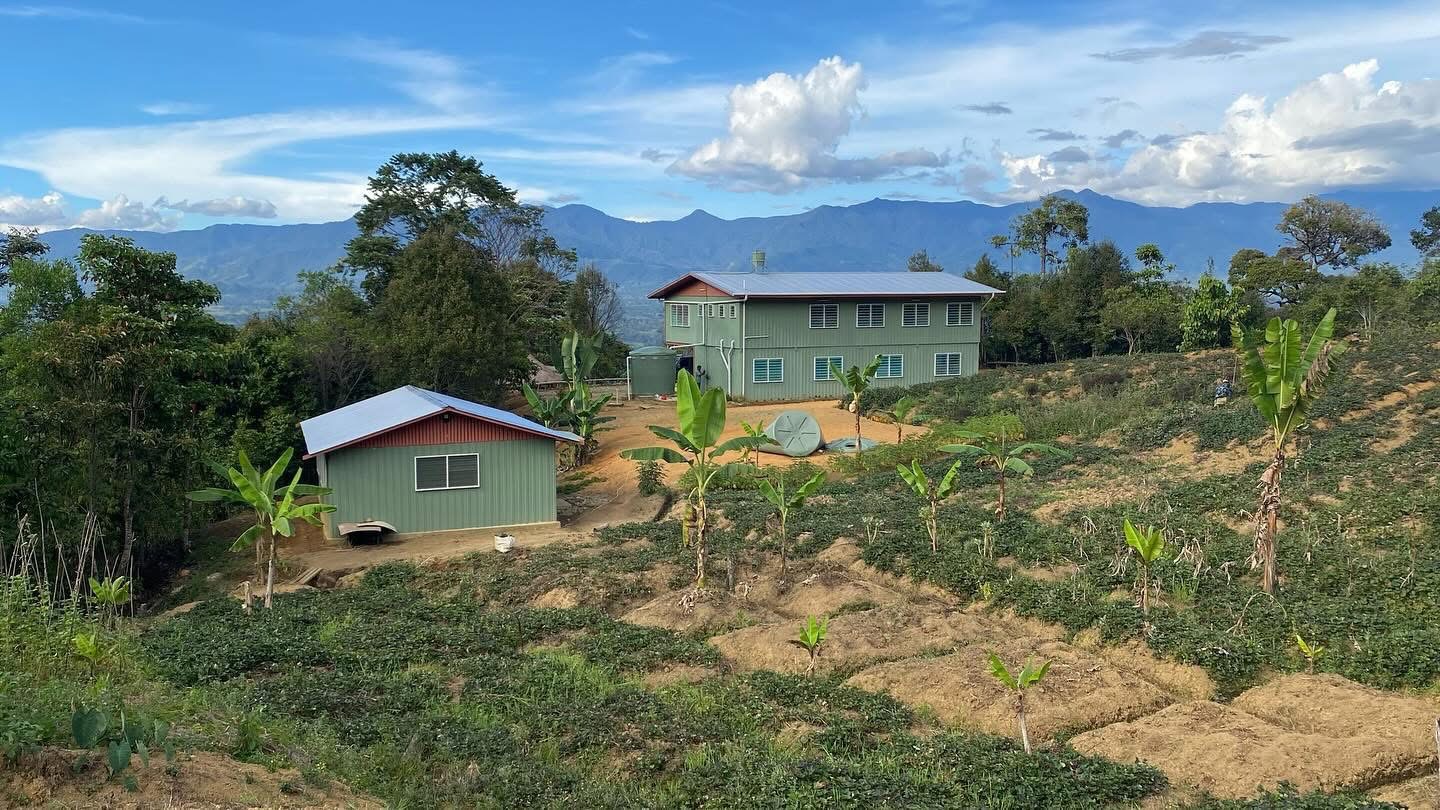
Kugark Village · Jiwaka Province
Beyond the flights and mountain roads, there is a village where recovery is built on relationship. Papua New Guinea has more than 800 languages. Here, people speak Tok Pisin and a local language; Kawandah bridges cultures, translating line by line.
The wantok system—loyalty to your people and language group—shapes everyday life. Lasting recovery has to belong to this place, not be imported from somewhere else.
Curtis’s story
At 22, Curtis was caught in addiction. By 25, he was living behind a dumpster in Riviera Beach, Florida. At 26, he got sober. Today he is married to Heather, a father of two, and runs a Tennessee business.
His friendship with Kawandah in Florida opened a window into his parents’ work in Kugark Village. During the summer 2026 visit, Curtis shared his story with about 45 villagers, with Kawandah translating.
Curtis and Heather formed the US nonprofit to close the funding gap and bring recovery resources and training to the program—not to take credit for a ministry already rooted in the village.
“We planted a seed. Now it needs water. That’s why this ministry exists.”
Leadership
Directors in Papua New Guinea
Founded the local ministry, mentored community members, and lead Bridging Gap Association and its school.
US co-founders
Volunteer their time to raise support, organize trips, and strengthen the local team. No US salaries are paid.
Advisor & cultural bridge
Grew up in Kugark Village. A merchant seaman and maritime mission volunteer who connects the ministry across cultures.
From the mission
Hear the story behind the work and the hope that carries it forward.
There is a place for you here
Recurring gifts are the foundation of the yearly budget. Any amount helps keep care consistent.
Help protect the property or support the next step: fencing, cameras, staff housing, and connectivity.
A planned 30–45 day return to run Journey to Freedom groups, work through the 12 Steps, and train local leaders.
Bring your church, friends, or community together to hear the story and become part of it.
For residents, their families, schoolchildren, and Peter and Freda as they carry the work forward.
Help connect people to the mission, organize support, or explore volunteering.
Every dollar goes directly to the treatment center in Papua New Guinea. No one in the United States is paid by this ministry. Funds are sent by bank wire. Our 501(c)(3) application is in progress; we will update this page when gifts are officially tax-deductible.